


"A household residing in the northern part of London is looking for an remarkable and experienced instructor to assist their youngest child on his early path to becoming an British gentleman."
Looking at this advertisement, you might easily overlook the phrase "initial stages" as mere an expression.
Yet, it could be the crucial part of this unique position posting, as it aims to recruit a mentor for a 12-month-old.
Hundreds of submissions have since been sent in since the anonymous family posted their call for the £180k-a-year tutor, who must be "an exceptional individual".
Over the last few weeks, the listing has gained notice in the media, with many questioning why?
Innovative Idea
Adam Caller, chief executive of Tutors International, which is assisting the family in their search, stated that notwithstanding first scepticism, he found the concept "visionary", and "innovative".
When he consulted the family, he mentioned they recognized the unconventional character of their requirement, and how young their son is.
But, they stated that they "didn't want to wait any longer" to hire a tutor, as they had postponed until their firstborn was five, and by that stage "cultural conditioning had already set in".
But what does the family indicate by "cultural predisposition"?
It's "everything", he responded. "The manner you eat, the way you speak".
He said the older sibling had adopted "really subtle, non-verbal cues" from the family, and had taken on their cultural norms. The family told him they hoped to prevent history to happen again with their younger child.
The plan: To hire a UK tutor, who must speak with Received Pronunciation, to shape the baby right from the beginning.
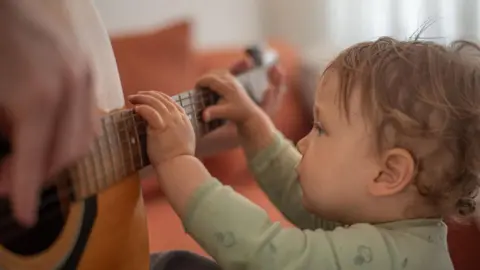
Subtle Influence
"Much of the learning at the beginning here is somewhat acquired indirectly," said Adam.
It's through this subtle influence that the family are hoping the child will pick up the UK customs they wish to cultivate.
He explained the tutor must be an individual who attended "the appropriate educational institutions – the same kinds of schools as the family hope to send their son to".
"The tutor just has to be the suitable individual, they'll be performing things they may not realize they're doing, effortlessly," he said.
Expense Not a Factor
The family told Adam the successful candidate should ideally also have familiarity of or enthusiasm in equestrian activities, winter sports, the arts and instrumental training so as to influence the child in a diverse set of hobbies.
Additionally though, he stated the family hoped the tutor to sign up the child on a range of courses so the child would be "pony-riding and picking up an instrument by the time they are around three years old".
In the family's minds, helping their son grow into a "English gentleman" will result in success and create opportunities.
"Taking into account the pros and cons of that, because it's undoubtedly a social class indicator," he adds.
Yet, in spite of all this guidance in "UK identity", could the child adopt what is termed cultural bias from the globally influenced family he is raised by in any case?
"Certainly", answered he. "The family realize this might not succeed, but they've just taken the attitude of, 'why not attempt it and let's go as soon as we can', because the expense of it is not a concern," he said.
Idealistic and Unrealistic
A number of in the tutoring industry who share similar reservations.
An education leader, chief executive of an educational organization, who supplies private tutors, wrote that "the process of adopting dual cultures, or indeed, becoming oneself, is something that must be experienced personally, not manufactured."
Peter wrote that he had moved from the Far East to the Britain at the age of 7 years old, and had been brought up experiencing and living two backgrounds. He went on to learn at Cambridge University.
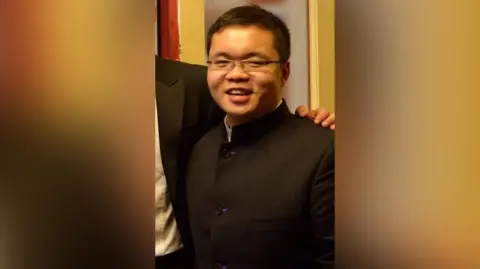
"The concept that an individual can serve as a living vessel of English culture, an individual who can in some way transfer the attributes of a UK sophisticate upon a one-year-old child, seems to me idealistic and unfeasible," he stated.
"In my experience, having a typically UK tutor from infancy will not necessarily create the goal they hope for.
"I wasn't provided with such a figure, and however I have been privileged enough to enjoy several of the experiences they desire for their son."
He continued: "The fact is, self-identity cannot be forced from the outside influences; it must be chosen, and it must originate internally."
Purchasing UK Culture
Certainly, UK identity is something the expert thinks can be instructed – and marketed.
"I believe the fact that the global community views us in this light is something that we should be cherishing|valuing|appreciating


